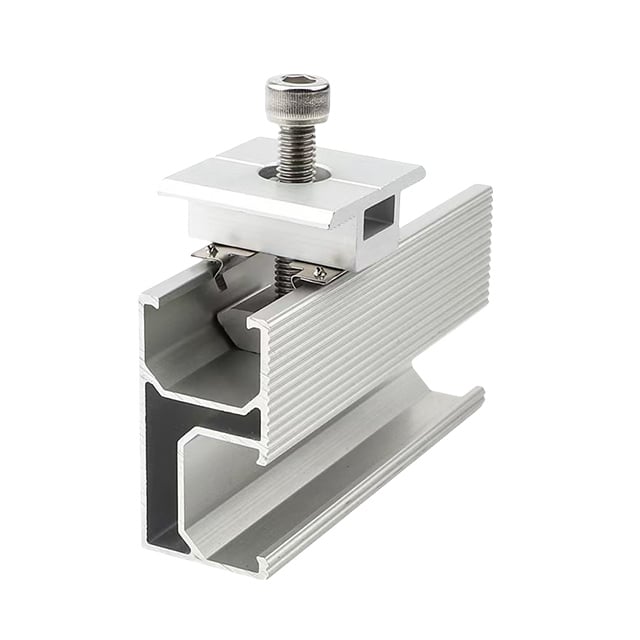
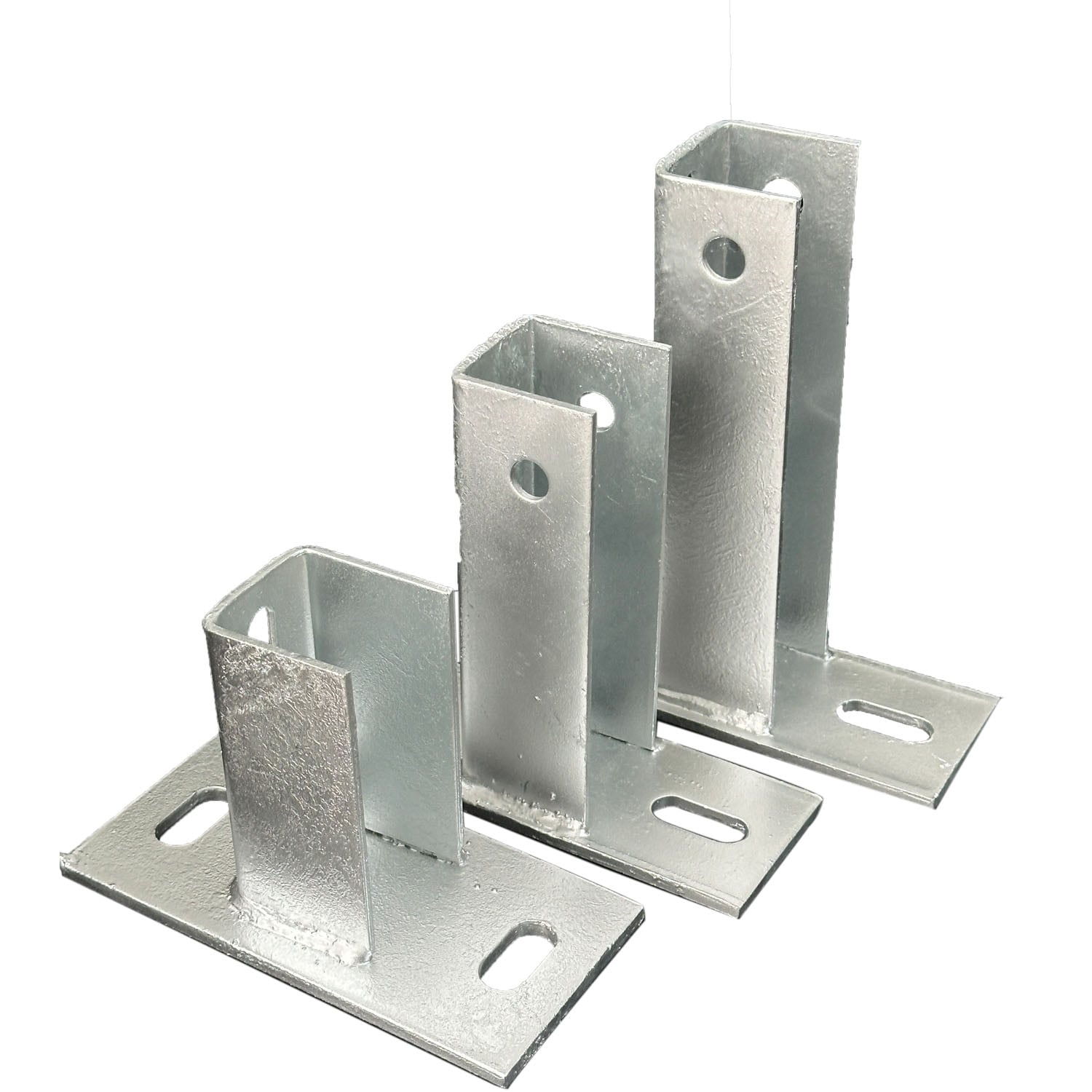
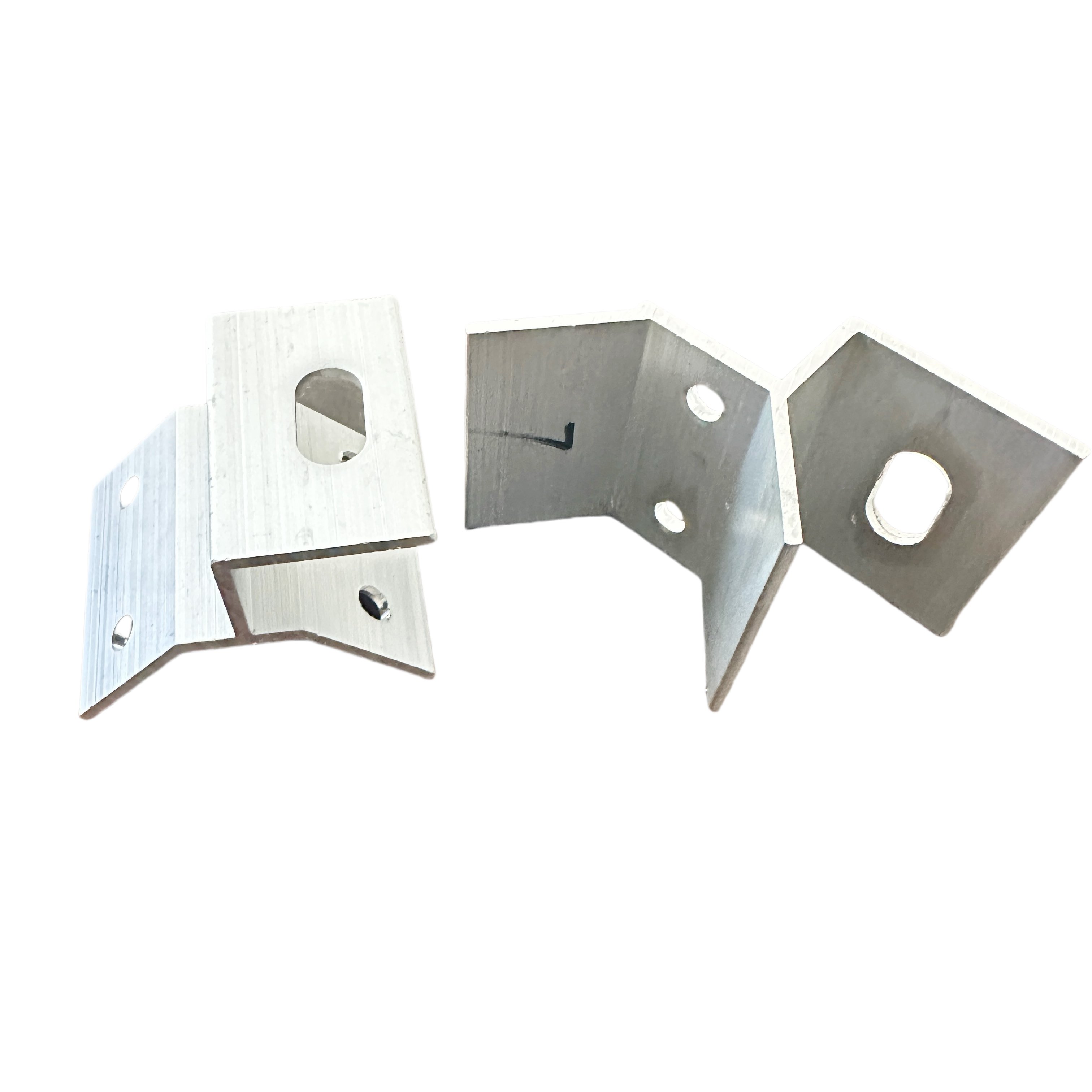
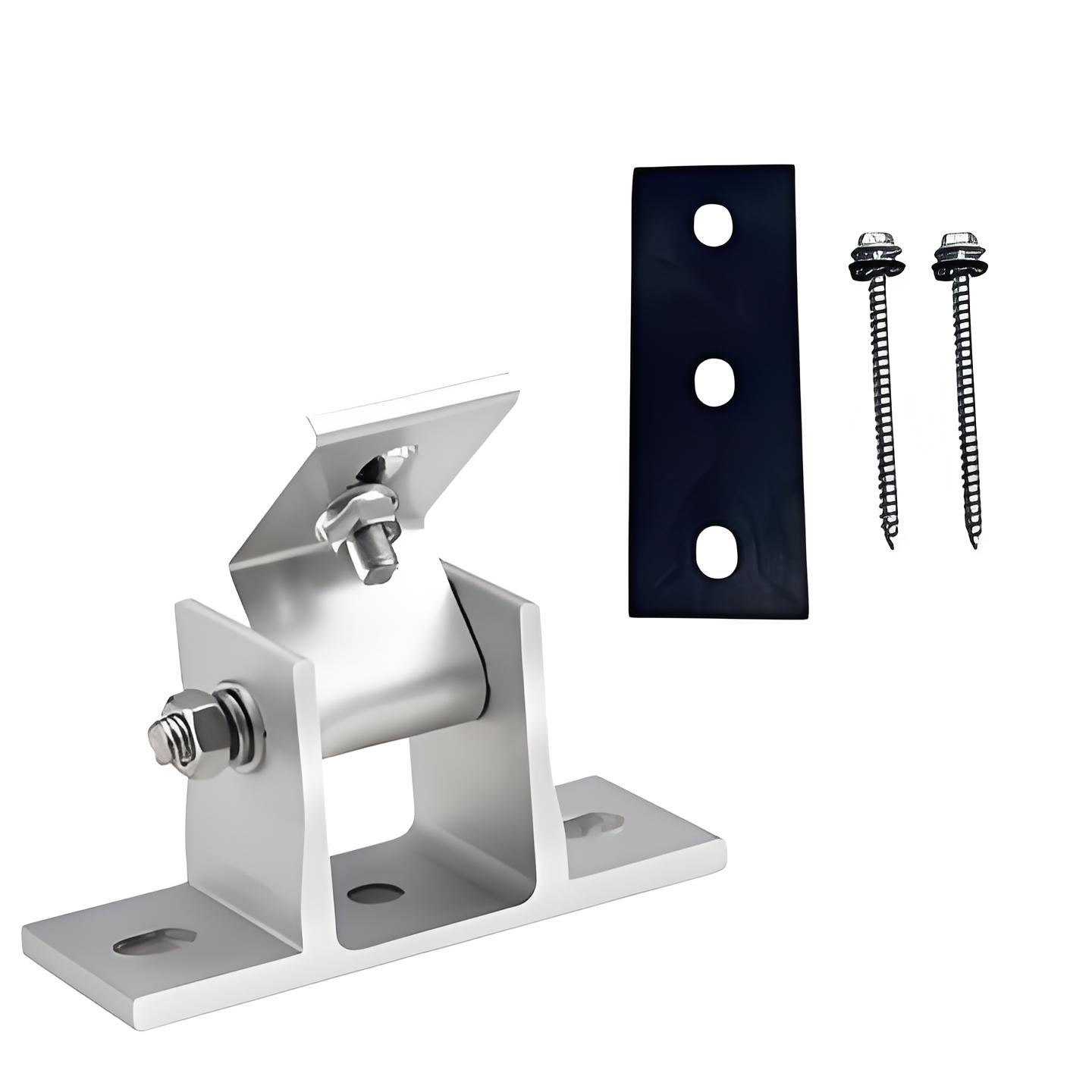
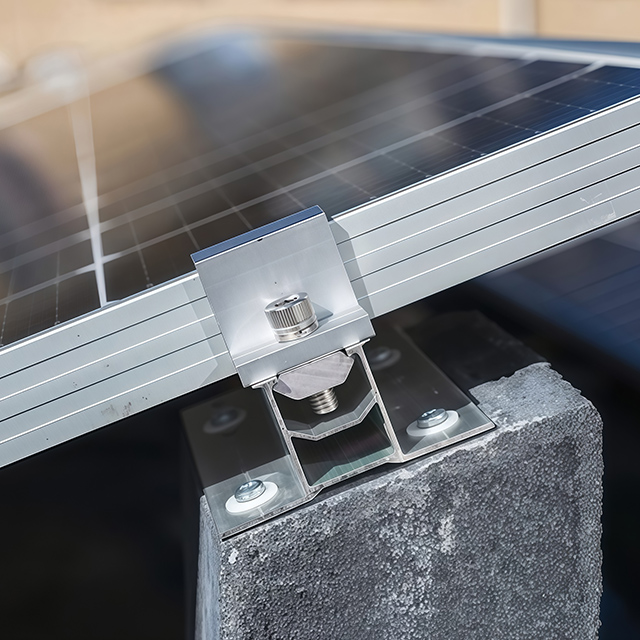
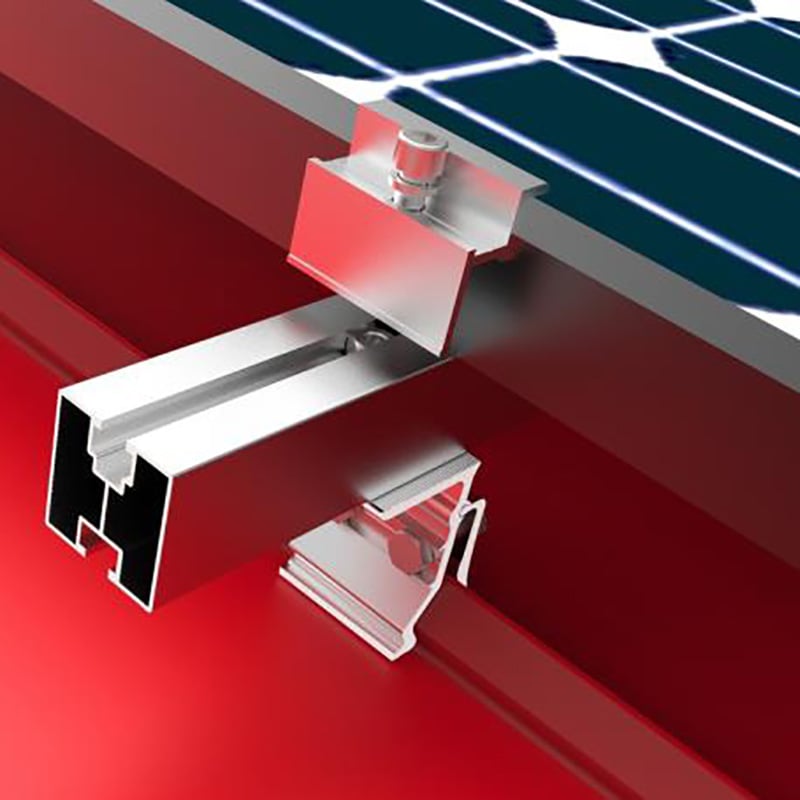
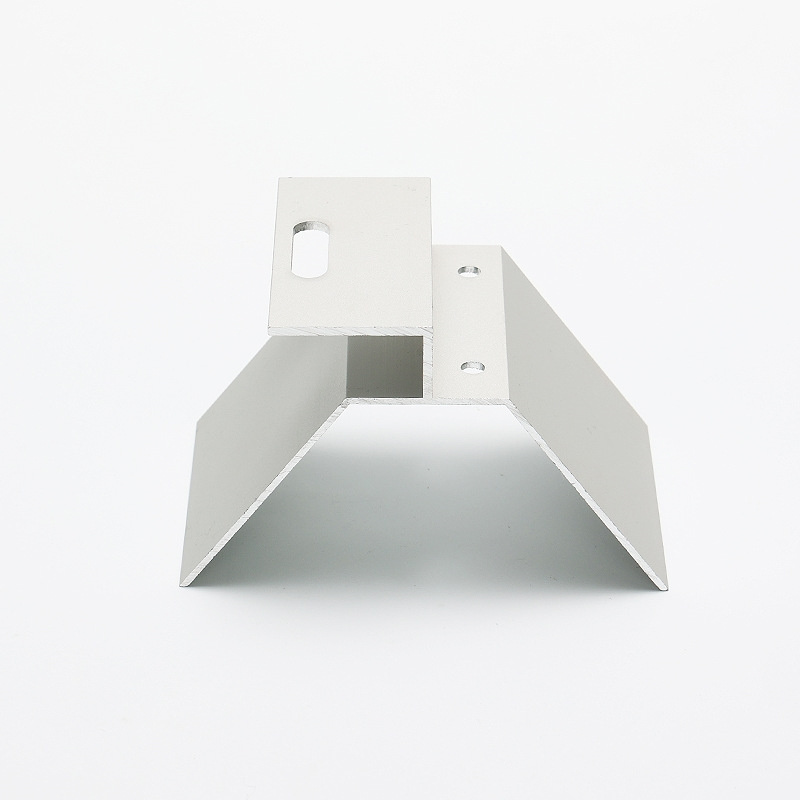
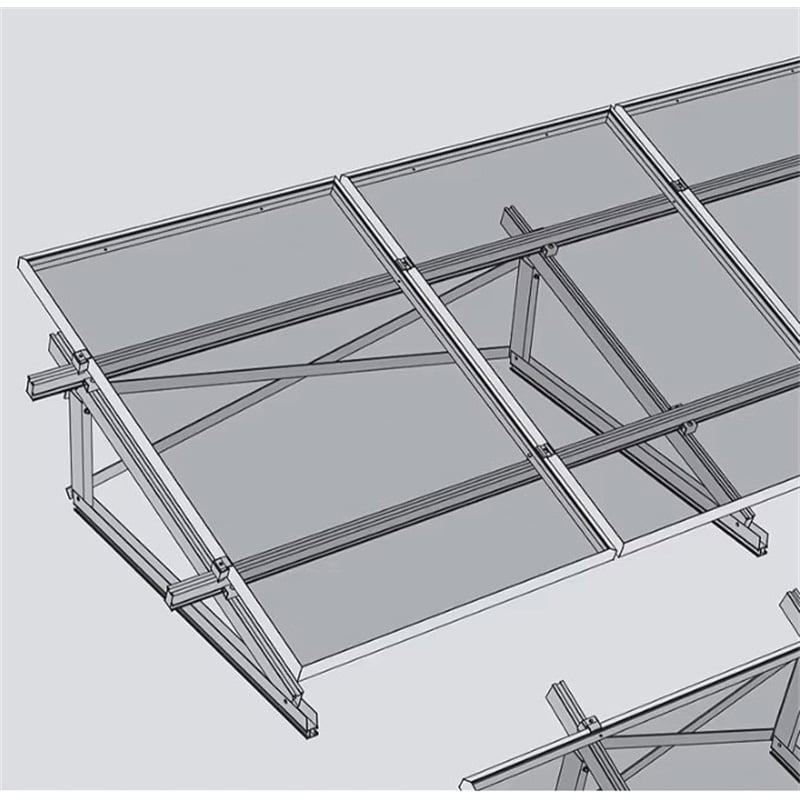
One of the largest advantages of residential ground solar panels is that Homes can save money on electricity. Using the sun as a free source of power to produce electricity, the burden on more traditional supply sources coal or gas is lessened by the homeowner. This is not only good for the budget but for Mother Nature as well as it helps cut down on bad emissions.
How do Residential Ground Mounted Solar Panels work? Residential ground mounted solar panels by Tuoer Road generate electricity through sunlight. Within the panels are numerous smaller units called solar cells, which are composed of a material that can create an electrical current when exposed to sunlight. The solar cells, when exposed to sunlight, generate an electric current that can be used to operate appliances and lights in a home.
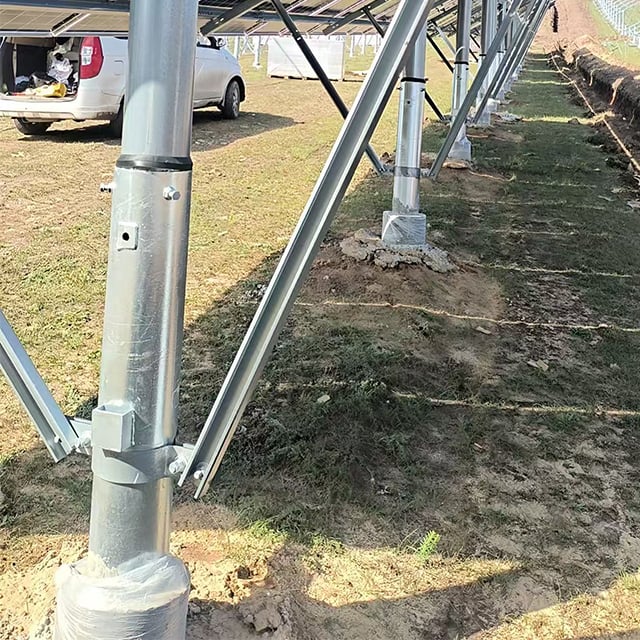
In order to capture as much sunlight as possible, home ground solar panels are typically placed in a sunny location, like backyard or garden. The Tuoer Road ground mounted solar panels are tilted toward the sun to maximize sunlight exposure during the day. This means that they can still create electricity even when it is cloudy but they generate power most effectively when they are caught in bright sunshine.
The panels are then tied to an inverter that turns the power they produce into something you can use in your house. The inverter is typically hung near to the electrical box that it gets installed near, which helps in the further distribution of electricity in the home as well. In the end, the system is tied into the power grid, and any extra power can be sold back to the power company.
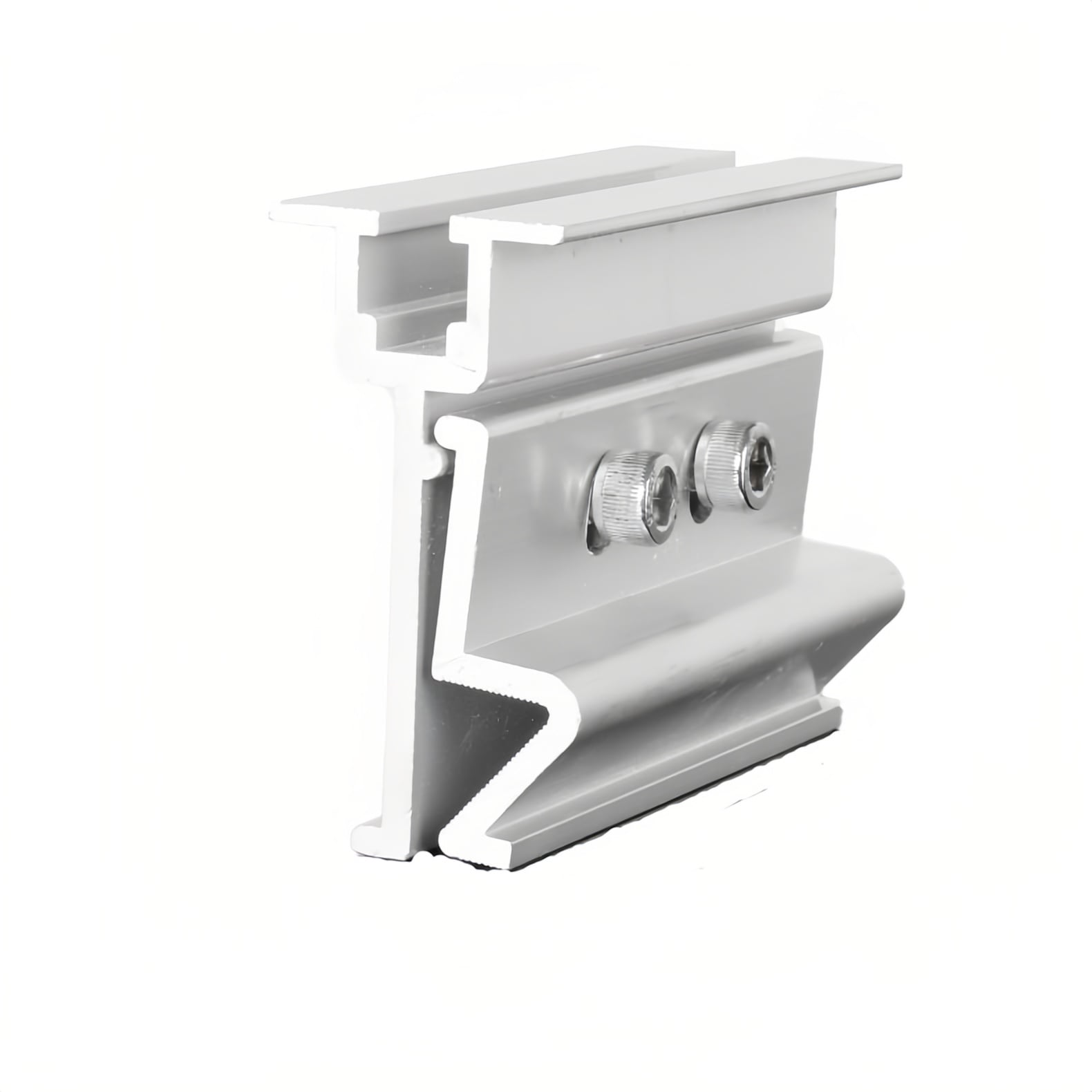
Ground mount solar energy system owners can also help maximize the energy efficiency of their new source of solar power by trying to minimize the total amount of power used throughout the day. This means don’t use energy-hogging appliances, leave lights off when you don’t need them, and insulate the house so you don’t lose heat. Coupled with the REST and FIT programs, they can pay for a significant portion of Tuoer Road ground mounted tracking solar panels on homes, saving homeowners a lot of money on their electricity bills and also having positive effects on the environment.
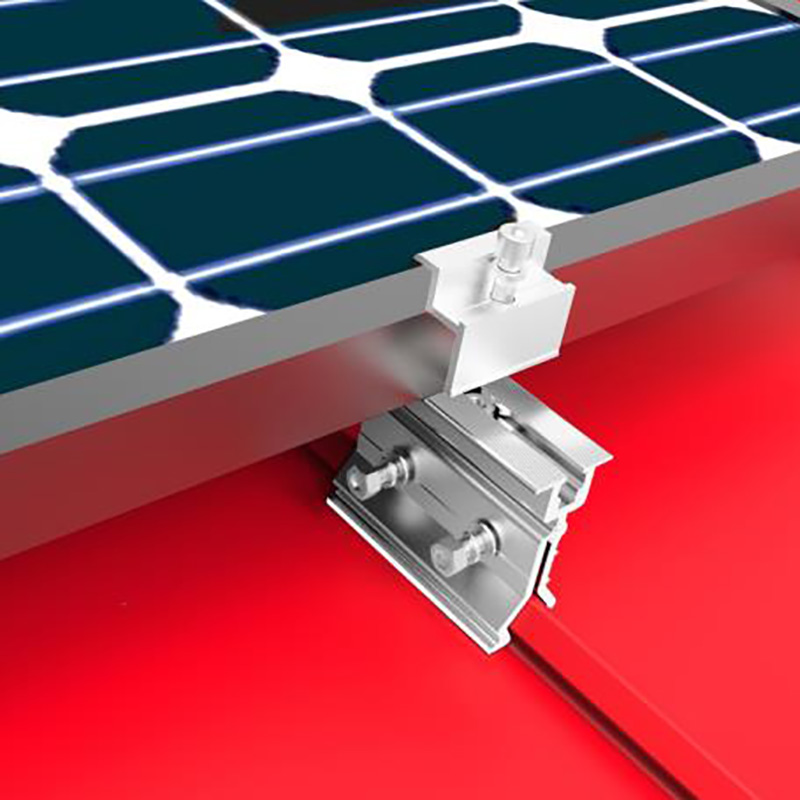
Another option for homeowners looking for some energy independence that installation on the ground does not provide is to add battery storage to their ground mounted solar panels for home. This enables them to save surplus electricity produced during the day to be used at night or when sun is not shining properly. By capturing the sun’s rays and then getting off the grid, homeowners also become less dependent on electricity being supplied by other people.
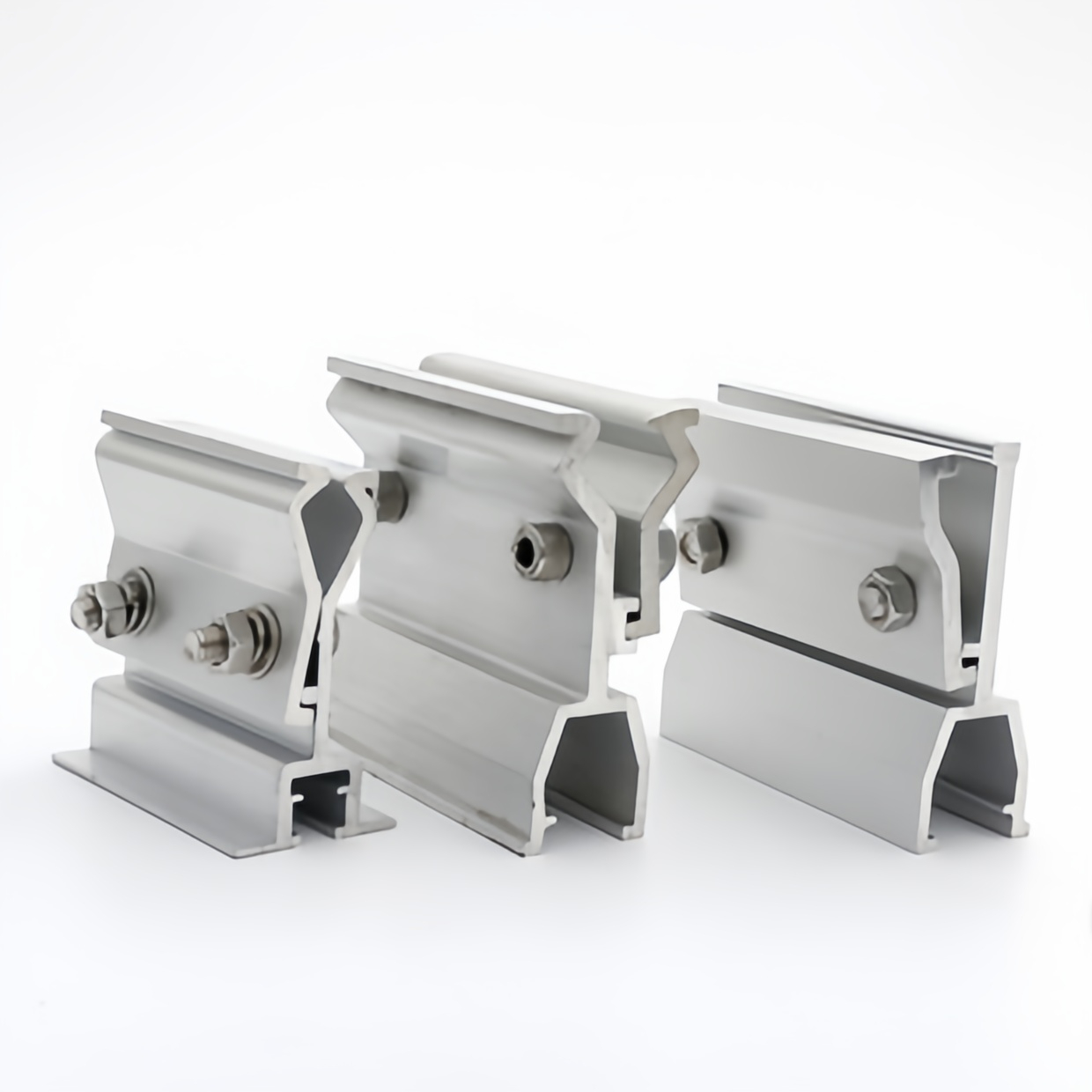
The downside to installing Tuoer Road residential ground mounted solar panels is that initial costs may be expensive but they may be fairly inexpensive in the long-run. By reducing the power you buy from the electric company, it’s possible to receive solar panel cost savings by lessening your electricity bill, and adding value to your home, solar panels can pay for themselves over time. On top of that, there all kinds of government grants and rebates to help pay for the initial expenses to get it set up.
Guided by a commitment to innovation, quality, and green development, we integrate advanced technologies with strict production controls to enhance product competitiveness while ensuring durability and long-term value.
Our experienced R&D team continuously improves solar panel photoelectric conversion efficiency and develops smart control systems that automatically adjust to light and weather conditions, ensuring optimal performance and stability in any environment.
We offer a wide selection of photovoltaic power generation systems suitable for both large-scale commercial plants and small household distributed projects, all rigorously tested to deliver reliable operation in complex real-world conditions.
Through reliable performance and customer-centric solutions, we have built lasting relationships with clients and contributed to the growth of the photovoltaic industry, reinforcing our position as a trusted partner in renewable energy.