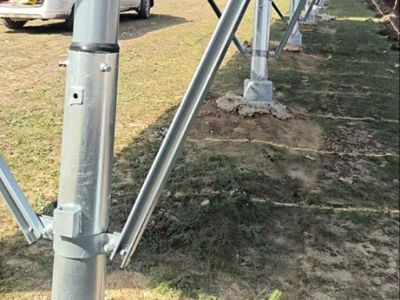
When building solar panel systems, its important to think on how the ground will support it. A PV mounting system hold the panels in place, and the soil below play a big role in keep everything stable. Different soil types can change how good the mounting works. For instance, sandy soil might shift more then clay soil, which make pv mounting brackets panels less secure. At Tuoer Road, we know how key it is for solar panels to stay firm, and we design our setups with these things in mind. Understanding soil conditons help us pick better ways to mount solar panels.
What Factors Affect Ground Mount Stableness in PV Mounting Systems?
There are lots of things that can influence how stable a ground mount for solar panels be. First off, the soil type is really important. Some soils are loose and shift easy, while others are firm and hold better. For example, sandy soil may not support the panel weight as well as clay, which compacts and gives more support. The soil depth also count. If its too shallow, it might not be strong enough to secure the mounting good. Another thing is soil wetness. Wet soil can turn muddy and lose strength, making it less stable. On the other hand, dry soil can crack and not support as much. Temperature play a part too. Extreme heat or cold can alter soil behavior. Like, freezing temps can make ground expand and contract, stressing the pv panel mounting brackets system. Weather like heavy rain or winds can impact stability too. At Tuoer Road, we consider all these when designing PV mounts to handle various soil types.
Selecting the Right PV Mount System Based on Soil Types
Picking the right PV mounting system depending on soil type is key for stability and lasting. Different soils need different mount solutions. So, for sandy soil, we might suggest deep piles to reach steadier ground. This anchor the panels secure. In contrast, for clay soil, a wider base could work better. Thats because it spreads weight even and cuts shifting risk. When soil is rocky, special anchors that grip rock good might be used. Also, think about how soil acts in seasons. For example, if it gets wet in rainy time, a system with better drainage can prevent water pooling around mounts. At Tuoer Road, we work with experts to select best materials and designs for each soil. This pv panel mounting keep solar panels safe and running well for years. Choosing right mount not only protect investment but help catch sunlight better.
When setting up solar panels, you need to get how the ground affects their stability.
This is true for PV systems that turn sun into power. Good places for info on soil impact are educational sites and gov resources. Many unis have ag or engineering depts that study soil. They share articles and papers online. You can check local extension services too, which help farmers know their land. These give soil tests and tips on managing soils. Online forums on renewable energy let people share setup experiences on different soils. Solar sites often explain how soil affects ground mount installs. Tuoer Road offers guides on evaluating soil before solar setups. This info matter, as soil type can big affect panel performance and lifespan.
To make sure PV systems stay stable in various soils, take some steps. First, do a full soil check. This test what kind it is, its strength, and water holding. Soils like clay or sand act different. Clay holds water but get slippery when wet. Sandy drains fast but not hold structures well. Once you know soil type, pick the right mount. For loose soil, deeper bases or anchors keep panels steady. Consider local weather too. Heavy rain or winds can shake ground mounts. Tuoer Road gives advice on mounts for soil conditons, helping choose right. Also, check mounts regular after install, specially after storms. This way, solar panels work good and last long.
Conclusion
The importance of soil assessment for ground mount stability can't be overstated. A good assessment avoid problems from unstable ground. If soil not suit for mounting, panels could shift or collapse over time. This damage panels and cut their energy making. Assessment save money long term too. By knowing soil early, invest in right mounts and skip expensive fixes. Tuoer Road stress that soil understanding is key for successful solar systems. Plus, it shows how much weight soil support, essential so mounts don't sink or tip. Taking time to assess soil before PV install is very important for stability and success. Proper evaluation lead to safer setups and better output, so solar panels produce energy well for years.